How Cuban Bakery Aurora CO Serves Up Authentic Comfort Food
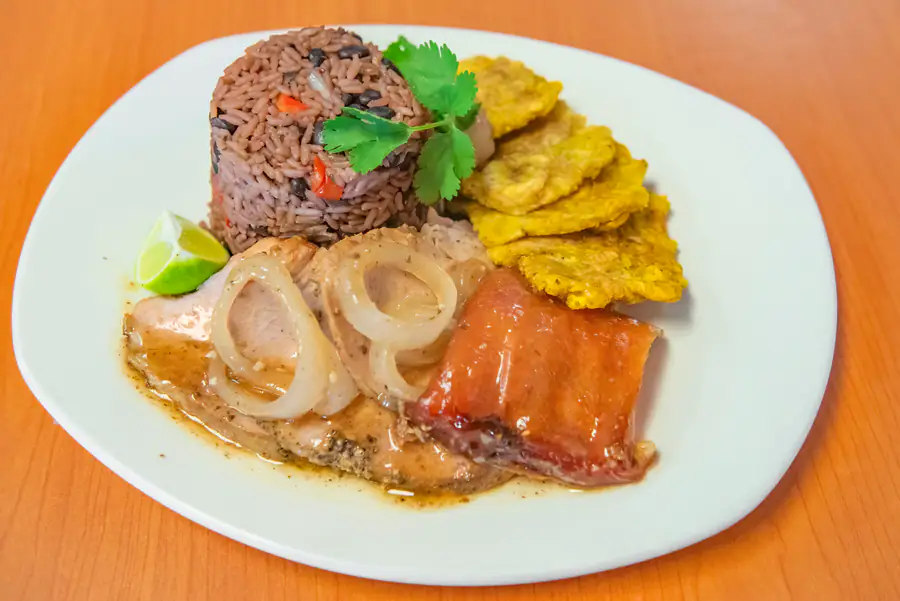
There is a particular kind of relief that comes from walking into a bakery and knowing, before you even reach the counter, that the food will taste like somebody cared. Not curated, not trend-chased, not built for a social post first and a meal second. Cared for. You smell butter in the pastry case, coffee in the air, maybe roasted pork or simmering beans coming from the kitchen. The room is bright with conversation, and the menu does not need to explain itself too much because the recipes have been doing their job for generations.
That is the appeal of a strong Cuban bakery in Aurora, Colorado. The phrase Cuban bakery Aurora CO might read like a simple search term on a screen, but behind it sits something much richer: a place where comfort food carries memory, routine, and craft. A good Cuban bakery is not only about sweets, though the pastries matter. It is also about sandwiches pressed to order, croquetas with a crisp shell and soft center, café cubano poured dark and sweet, and savory staples that make a weekday lunch feel like a small reset.
Authenticity in this setting is not a marketing word. It lives in details that regular customers notice quickly. Bread should crackle slightly when pressed, then give way to a tender interior. Guava should taste like fruit, not candy. Ham croquettes should be seasoned enough to stand on their own. Roast pork should be juicy, garlicky, and structured by citrus and salt rather than hidden under sauces. These are modest standards on paper. In practice, they separate a memorable neighborhood bakery from a place that simply borrows a cuisine’s vocabulary.
What comfort food means in a Cuban bakery
Comfort food is often misunderstood as heavy food. Sometimes it is, but that is not the whole picture. In a Cuban bakery, comfort comes as much from familiarity and balance as from richness. It is the predictability of a warm pastelito at 8 a.m., the kind of meal you can eat standing at a small counter with coffee in hand. It is the pressed sandwich at lunch that arrives exactly as expected, crisp at the edges and molten at the center. It is the fact that sweet and savory sit side by side naturally, without a hard line between breakfast, lunch, and an afternoon snack.
Many of the most satisfying Cuban bakery staples are modest in size. A pastelito de guayaba y queso does not need to be oversized to feel indulgent. A croqueta does not need a dramatic filling to be memorable. Part of the cuisine’s staying power lies in this restraint. Texture, seasoning, temperature, and timing carry the experience.
People also return for emotional reasons that are harder to quantify. For Cuban families and many other Latin American customers, foods like pan cubano, empanadas, croquetas, and café con leche can connect directly to childhood kitchens, grandparents, holiday tables, and corner bakeries in Miami, Havana, or other communities shaped by Cuban cooking. For newcomers, the comfort lands differently but just as strongly. Good bakery food is generous without being formal. It invites repetition. Once you find a place that gets the basics right, it becomes part of your week.
Why Aurora is the right setting for this kind of bakery
Aurora has the kind of food culture that rewards substance. It is a city where diners will drive a little farther for flavor, where neighborhood spots earn loyalty through consistency, and where a bakery can be both a destination and a habit. That matters because Cuban comfort food depends on repeat customers. These are foods people crave on ordinary days, not only special occasions.
A Cuban bakery in Aurora also occupies an interesting place in the local dining landscape. Colorado diners have broad tastes, but they do not always want performance with their meals. Often they want value, warmth, and food with a point of view. Cuban bakery fare meets that demand well. It is accessible if you have never tried it before, and deeply satisfying if you grew up with it. There is very little learning curve in taking a bite of a flaky pastry filled with guava and cream cheese, or a pressed Cuban sandwich with roasted pork and pickles. The appeal is immediate.
Climate and pace play their own quiet role. On a cold morning, a hot café con leche and a warm pastry do more than feed you. They restore you. On a busy lunch break, a pressed sandwich and a side of croquetas feel substantial enough to carry you through the rest of the day without turning lunch into an event. Comfort food has to fit real life, and this cuisine does.
Authenticity starts long before the customer orders
When people talk about authenticity, they often focus on the final plate. In bakeries, the more revealing question is what happens before opening. Dough has to be mixed properly. Fillings need time to cool and settle. Meats have to be seasoned deeply enough that they taste complete when tucked into bread rather than plated alone. Coffee must be brewed with confidence, not timidly.
A bakery that serves authentic Cuban comfort food usually shows its hand in three places: the pastry case, the bread, and the hot line. If any one of those is weak, customers feel it immediately.
The pastry case is the first test because it presents the bakery’s discipline in plain view. Pastries should look abundant but not sloppy. Glaze should catch the light without drowning the dough. Guava filling should stay in place rather than leaking out. Coconut pastries should smell toasted and fragrant, not stale or sugary in a flat, one-note way. None of this requires luxury ingredients. It requires technique and standards.
Bread is the second test, and it is often the hardest to fake. Good Cuban bread has a light structure, a thin crust, and enough character to hold pressed sandwiches without turning chewy or dense. In many bakeries, bread quality reveals whether the operation truly understands its food or is merely assembling components. If the loaf is wrong, the sandwich can still be edible, but it loses the snap, softness, and steam that make it special.
Then there is the hot line, where the savory heart of the bakery lives. Roast pork, picadillo, chicken, beans, rice, soups, and fried items all need attention at different times and temperatures. This is where comfort food becomes labor. If the kitchen rushes cooling, reheating, frying, or holding, the customer tastes the shortcut. A well-run Cuban bakery knows which items can sit, which must be refreshed often, and which should be made in smaller batches to preserve quality.
The pastry case is more than dessert
One reason people underestimate Cuban bakeries is that the word bakery suggests sweets first. In practice, the pastry case often functions like a menu of identity. It tells you what the bakery values, what it makes in volume, and what customers trust enough to buy by the box.
Pastelitos are the obvious stars. Guava is classic for a reason. The best ones balance tartness and sweetness, and the pastry around them stays flaky instead of greasy. Add cream cheese and you get a combination that feels almost engineered for comfort, though it is simply traditional wisdom. Fruit, fat, crispness, warmth. There is not much to improve.
Other pastries can reveal the breadth of a bakery’s skill. Coconut pastries need a delicate hand because coconut can go dry quickly. Meat-filled pastries have to deliver flavor without making the crust soggy. Turnovers should look simple, but simple is demanding. Lamination, oven heat, and filling ratio all matter. If a bakery gets these right day after day, trust builds naturally.
That trust extends to celebration food. Customers who start with a morning pastry often come back for cakes, trays, and holiday orders. A bakery that becomes part of birthdays, office breakfasts, baptisms, or weekend visits has crossed from retail into family infrastructure. That is one of the strongest signals that the comfort it provides is real.
Savory staples carry the emotional weight
For all the attention pastries receive, the savory side of a Cuban bakery is where many regulars form lasting loyalty. Sweet items may bring people in the first time. Savory food gets them to rearrange their week around a return visit.
The Cuban sandwich is the most visible example, and it deserves its reputation. When made properly, it is a study in controlled contrast. The bread is pressed until the exterior is crisp and the inside compresses just enough to bind the fillings. Roast pork brings depth, ham adds structure, Swiss cheese melts into the meat, pickles cut through the richness, and mustard sharpens the whole thing. Nothing should dominate. This is not a sandwich improved by excess. More cheese, more sauce, thicker bread, or overstuffed layers usually make it worse.
Croquetas are another benchmark. People who did not grow up eating them sometimes underestimate how technical they are. A good croqueta needs a creamy interior that still holds shape, a coating that fries evenly, and seasoning that reads clearly through the richness. Too many places treat croquetas as generic fried snacks. In a serious Cuban bakery, they are a point of pride. They can anchor breakfast, lunch, or a snack with coffee, and they are often the item longtime customers judge hardest.
Then there are the plate lunches and side dishes that round out the bakery’s role in everyday eating. Rice and beans sound simple, yet their quality says a lot about the kitchen. Beans should taste developed, not merely salted. Rice should be separate and tender, not wet. Picadillo should feel savory and balanced, whether or not it leans toward the sweet-savory style some families prefer. Roast pork should shred cleanly but still feel moist. These are not glamorous dishes. That is exactly why they matter.
Coffee is part of the food, not an add-on
It is impossible to discuss a Cuban bakery seriously without talking about coffee. In many shops, coffee is the rhythm section behind the entire operation. It starts the day, punctuates midmorning, carries conversations, and turns a quick stop into a habit.
Cuban-style coffee is not designed to whisper. Café cubano is sweet, concentrated, and assertive. Cortaditos and café con leche soften the edge without losing character. In a strong bakery, coffee service feels fast because it has to be. Customers often know what they want before they walk in. The right drink arrives hot, strong, and consistent.
Consistency matters more than complexity here. No one is looking for tasting notes written on a chalkboard. They want the bitterness, sweetness, and body to line up the same way every time. That reliability is part of comfort. A person may come in intending to grab only a pastry and leave with coffee too because the pairing feels automatic. Over time, that coffee becomes one of the main reasons they return.
What regulars notice that first-time visitors often miss
New customers usually focus on the obvious favorites. Regulars pay attention to subtler cues. They notice whether the pastry shell stays crisp late in the morning. They can tell if a batch of croquetas was fried at the correct temperature. They recognize when the bread came out especially well that day. They know which items sell out early and which are safest to order later in the afternoon.
They also understand the social rhythm of the room. The best neighborhood bakeries tend to move with a kind of practiced urgency. Staff members answer quick questions, call orders, ring up coffee, restock pastries, and keep the line moving without flattening the atmosphere. It is busy, but not impersonal. Professional, but warm. For many customers, that is part of the comfort too. They are not just buying food. They are stepping into a place that knows what it is doing.
That matters in a competitive market. Plenty of restaurants can produce one excellent meal. Fewer can create an everyday environment where food, service, and atmosphere all reinforce one another. A Cuban bakery that succeeds in Aurora does so because it gets the food right and the rhythm right.
The challenge of staying authentic while serving a broad audience
Any bakery serving a mixed customer base has to make decisions. Some diners want the most traditional version possible. Others need a clear entry point. The tension is real, and experienced operators know there is no single perfect answer.
Seasoning is one area where judgment matters. Authentic food should not be diluted beyond recognition, but it also has to be balanced and consistent. Portion sizes present another question. Some customers expect abundance, while others value a lighter meal with strong flavor. Even the pastry case has trade-offs. Offering too many varieties can weaken execution. Offering too few can limit appeal and slow growth.
The best bakeries navigate this by protecting the core. They may add a few approachable items or adjust presentation for local expectations, but they do not compromise the fundamentals that define the cuisine. Bread remains proper bread. Pork remains properly seasoned. Pastries remain rooted in Cuban baking traditions rather than generic sweetness. Coffee stays strong. This is how a bakery can welcome first-time guests without disappointing the people who rely on it most.
What to order if you want the full experience
If someone asks me how to understand a bakery quickly, I usually suggest ordering across categories rather than doubling down on one safe choice. That gives you a better sense of its strengths and standards. In a Cuban bakery Aurora CO locals recommend, a thoughtful first order might include the following:
- A guava or guava-and-cheese pastelito, to judge the pastry and balance.
- A croqueta, to test texture, frying, and seasoning.
- A Cuban sandwich or medianoche, to evaluate bread and savory execution.
- A café cubano or café con leche, to understand the house coffee rhythm.
- A side like rice and beans or a small savory plate, if available, to read the kitchen more broadly.
That combination reveals a lot. You learn whether the bakery is pastry-forward, sandwich-strong, coffee-serious, or broadly reliable across the board.
Why these places become anchors in a neighborhood
A truly good bakery does more than feed customers. It structures small parts of their lives. Morning commuters stop in for coffee and a pastry. Parents pick up a box for a school event. Office workers grab sandwiches for lunch. Families order trays for gatherings. Someone who moved to Colorado from Florida or from a Cuban household finds a flavor that loosens homesickness for a moment. Someone else tries a pastelito for the first time and wonders why it took so long.
This is the real value of authentic comfort food. It is not dramatic, but it is durable. A bakery can become part of a city’s texture because it offers both pleasure and reliability. People know what they are getting, and what they are getting still feels special.
That is especially important in an era when many food businesses chase novelty too hard. Novelty has its place, but everyday food carries different responsibilities. It Additional resources should satisfy at 8 a.m. On a Tuesday and at 1 p.m. On a Saturday. It should taste like itself every time. It should make room for regulars without making newcomers feel lost. Cuban bakeries that thrive in Aurora understand this instinctively.
The comfort is in the details
Authentic comfort food rarely announces itself with grand language. It arrives in a warm paper bag, a pressed sandwich basket, a foam cup of coffee, a pastry box tied for the drive home. Its power lies in repetition and precision. The crackle of pastry. The perfume of guava. The crisp edge of pressed bread. The rich center of a croqueta. The hit of sweet espresso.
When a bakery gets those details right, the experience feels bigger than the individual items. That is why people search for a Cuban bakery Aurora CO rather than simply "breakfast near me" or "sandwiches nearby." They are not only looking for food. They are looking for a style of care. Something handmade, rooted, and familiar enough to feel like relief.
Aurora is well suited to that kind of place, and customers know it when they find it. They come first out of curiosity, then out of appetite, and eventually out of habit. The bakery becomes where they stop after a long week, where they bring visiting relatives, where they pick up something warm before work, where they order trays before celebrations. Over time, that pattern says more than any slogan could.
A Cuban bakery earns its reputation the old-fashioned way, by serving food that tastes honest and by doing it often enough that people build their routines around it. That is how authentic comfort food works. It does not need to shout. It only needs to be right.
Cuba Bakery & Café
15028 E Mississippi Ave, Aurora, CO 80012
+1 303-752-2822
FAQ About Cuban bakery Aurora CO
What are Cuban pastries called?
Many small Cuban pastries are called pastelitos. They can have sweet or savory fillings, such as guava, cheese, guava and cheese, or seasoned meat. Cuba Bakery & Café lists guava, cheese, guava-and-cheese and beef pastries on its menu. Ask the bakery about current availability and ingredients when ordering.
What are traditional Cuban pastries?
Common Cuban bakery choices include flaky pastelitos filled with guava, cheese or meat. Cuban bakeries may also offer empanadas, breads and desserts alongside coffee. Cuba Bakery & Café lists pastelitos, several empanada fillings, pan Cubano and desserts such as tres leches and bread pudding. Selection can vary, so confirm the day's choices with the bakery.
What makes Cuban bread different?
Cuban bread is known for its light interior and a thin crust that becomes crisp when toasted or pressed. Traditional recipes often use lard, although ingredients vary by baker. It is commonly served as buttered toast or used for Cuban sandwiches. Cuba Bakery & Café lists pan Cubano and tostada on its menu; ask staff about the ingredients in their bread if you have dietary restrictions.
Ends · DEVINKWMU247